
Malawi’s power shortage is best managed by protecting essential loads first, then choosing solar batteries, a generator, or a hybrid system based on outage length and operating needs.
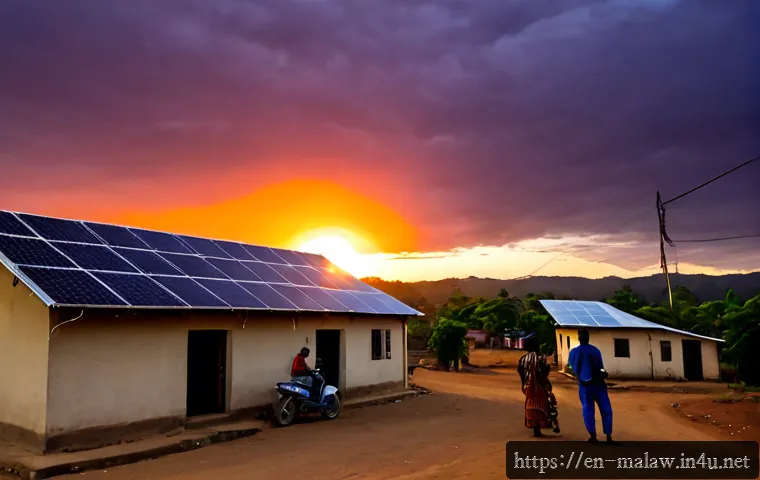
Solar-plus-battery systems can suit homes and quieter businesses, while generators or hybrid designs may be more practical for longer outages and critical operations.
Electricity reliability can vary by location, season, network condition, and local demand, so one solution does not fit every site. For a small shop, refrigeration, lighting, payment devices, and communications may be the priority.
For an office, internet equipment and selected workstations may matter most. Comparing itemised backup-power quotations in MWK helps separate the equipment price from fuel, servicing, replacement, and downtime costs.
At a Glance
- Load shedding and unplanned outages can result when available electricity supply does not meet demand or when grid conditions are disrupted.
- Solar panels alone do not provide night-time backup; batteries, grid connection, or another backup source are needed after sunset or during low-sun periods.
- Start with essential circuits such as refrigeration, lighting, communications, water pumping, and critical equipment instead of attempting to power an entire building.
| Backup Option | Upfront Cost | Running Cost | Outage Coverage | Noise and Maintenance | Best Fit |
|---|---|---|---|---|---|
| Grid only | Lowest equipment cost | Electricity bills only | None during an outage | Low on-site maintenance | Sites that can tolerate interruptions |
| Generator backup | Varies by capacity and installation | Fuel, servicing, and repairs | Can run when fuel and maintenance are available | Noise, emissions, and regular maintenance | Longer outages or high-demand essential loads |
| Solar-plus-battery | Equipment and installation required | Lower fuel dependence, but battery lifecycle matters | Useful for selected loads, including evening use if correctly sized | Quiet operation; system checks still matter | Homes, offices, shops, and daytime-focused use |
| Hybrid solar, battery, and generator | Usually more complex to design | Can balance fuel use with battery and solar generation | Flexible for frequent or extended interruptions | Requires sound controls and service support | Businesses and critical operations with varied needs |
Why Electricity Supply Is Unreliable in Malawi
Malawi’s electricity system has historically faced a gap between available supply and demand. When demand exceeds what the system can reliably provide, customers may experience load shedding or unexpected interruptions. The scale and timing of outages can change, so current conditions should be checked before making a major business or household energy decision.
Limited Generation Capacity and Rising Electricity Demand
As more homes, services, and businesses need electricity, pressure on available generation and network capacity can increase. A shop with refrigeration, an office with communications equipment, and a growing operation with machinery all depend on a dependable supply. This is why backup planning should focus on what must remain operational, rather than assuming all appliances need power at once.
Hydropower Exposure, Weather Conditions, and Network Constraints
Hydropower has been an important part of Malawi’s generation mix. That makes electricity supply vulnerable to changing water conditions and climate-related disruption. Reliability can also be affected by network condition, local demand, and location. ESCOM is responsible for electricity transmission and distribution, while generation has involved multiple providers.
The Difference Between Planned Load Shedding and Unexpected Outages
Planned load shedding gives customers some opportunity to prepare, such as charging devices or switching selected circuits to backup. An unexpected outage can be harder because it may interrupt equipment without warning. In either case, sensitive electronics, refrigeration, water pumping, communications, and safety lighting deserve clear backup priorities.
What Power Cuts Cost Homes, Shops, and Essential Services
The cost of an outage is not limited to the electricity bill. It may include lost sales, spoiled food, missed communication, interrupted work, equipment restart issues, or delayed service delivery. A practical backup-power decision compares these risks against the full cost of a solar battery system, standby generator, or hybrid installation.
Food Spoilage, Lost Sales, Interrupted Work, and Equipment Risks
For a grocery shop or food business, refrigeration may be the first essential load. For remote workers and offices, the priorities may be a router, phones, computers, and selected lighting. Healthcare services, water pumping, manufacturing, and communications may have different critical circuits. List the consequence of each interruption before selecting equipment.
Calculating the Hidden Cost of Downtime in MWK
Use a simple MWK-based worksheet: note sales or productive work delayed during an outage, possible stock losses, fuel used for temporary backup, staff downtime, and any equipment-related disruption. Do not treat this as a prediction. It is a decision tool that helps compare a lower upfront quote with an option that may reduce repeated operating costs or business disruption.
Which Electrical Loads Should Be Treated as Essential
Separate loads into three groups: must run, helpful to run, and can wait. Must-run loads may include lighting, refrigeration, internet equipment, cash or payment devices, selected pumps, and communications. High-demand appliances should not be added automatically; they can make a system larger and more expensive than necessary.
Backup Power Options Compared: Solar Batteries, Generators, and Hybrid Systems
A reliable backup solution depends on outage duration, budget in MWK, available space, essential loads, and access to maintenance support. The best option is rarely the one with only the lowest purchase price. It is the one that safely covers the loads you actually need under realistic operating conditions.
Grid-Only Versus Generator Backup
Grid-only operation has no dedicated backup during an interruption. A diesel or petrol generator can provide dispatchable power when fuel is available, but its total operating cost includes fuel, maintenance, safe installation, noise, and emissions. Generator capacity must also account for starting loads, particularly where motors, pumps, or refrigeration equipment are involved.
Solar-Plus-Battery Systems for Daytime and Evening Resilience
Solar photovoltaic panels generate electricity during daylight hours. A solar battery system can store energy for selected evening loads and provide continuity during some grid outages when correctly designed. However, solar output changes with available sunlight, and battery capacity is not unlimited. Ask which loads can operate, for how long, and under what conditions.
Hybrid Designs for Businesses With Longer or Frequent Outages
A hybrid setup may combine solar, batteries, the grid, and a generator. This approach can offer flexibility: solar can support daytime generation, batteries can cover selected circuits, and a generator can be available for extended disruptions or heavier demand. The design is more complex, so controls, electrical protection, and local servicing should be reviewed carefully.
Upfront Price Versus Lifetime Operating Cost
Request an itemised quotation rather than comparing one total figure. Separate solar panels, inverter, batteries, generator capacity, installation, electrical protection, fuel expectations, maintenance, and warranty terms. Battery replacement and generator servicing should not be ignored simply because they are not part of the initial equipment cost.
How to Plan a Reliable Backup-Power System
Good planning reduces the risk of buying an undersized system that fails when needed or an oversized system that strains the budget. Begin with a load list and keep the backup scope focused. A qualified electrical installation is important for safe switching, protection, and correct connection of critical circuits.
List Appliances, Watts, Running Hours, and Starting Loads

Write down every appliance you want on backup, its rated power, expected running time, and whether it has a high starting load. Pumps, motors, and refrigeration equipment may behave differently from lights, routers, or phone chargers. Give this list to suppliers when requesting solar, battery, generator, or energy-audit quotations.
Size Batteries and Generators for Critical Circuits First
Prioritising essential circuits can make a backup project more manageable in MWK. A smaller system for refrigeration, communications, lighting, and payment equipment may provide more practical value than a large system attempting to run every appliance. Do not assume a battery or generator can support all building loads without a proper assessment.
Check Installation Quality, Electrical Protection, Warranties, and Local Maintenance Support
A quotation should explain the installation scope, isolation and protection arrangements, warranty terms, and who will provide maintenance support. Ask how the system handles grid return, battery charging, generator integration, and faults. Equipment availability matters, but safe design and service support matter after installation too.
Common Mistakes That Increase Backup Energy Costs
Backup energy can become expensive when choices are based only on the first quoted amount. The aim is not to buy the most equipment. It is to match reliable capacity to the loads and outage pattern that matter most.
Buying Equipment Based Only on the Lowest Quote
A low quote may leave out installation work, protection devices, transfer arrangements, battery capacity details, or maintenance requirements. Compare what each supplier is actually proposing. If two quotations use different assumptions, their total prices alone are not directly comparable.
Ignoring Fuel Logistics, Battery Replacement, and Servicing
Generators need fuel and routine servicing. Batteries have lifecycle considerations. Solar equipment and inverters also need appropriate installation and checks. Include these items in your operating-cost review instead of treating backup power as a one-time purchase.
Connecting Unsafe Loads or Failing to Use Qualified Electrical Installation
Unsafe connections can create equipment damage and electrical hazards. Do not rely on improvised wiring to connect a generator, inverter, or battery system to building circuits. Use appropriately qualified installation support and confirm the system has suitable electrical protection for its intended operation.
Selection Criteria and Comparison Summary
Before choosing a backup-power option, check essential loads, expected outage duration, available space, fuel access, daytime energy use, noise tolerance, maintenance support, and the full budget in MWK. A household may value quiet lighting, charging, and refrigeration support. A small shop may prioritise cold storage, payment devices, and lighting. An office may need communications and workstations, while a farm or critical service may require a more detailed design for pumps, equipment, or longer outages.
Ask each supplier: What loads are included? What is excluded? How is the system protected and switched? What maintenance is required? What warranty terms apply? What support is available locally? Request itemised solar, battery, generator, or energy-audit quotations so you can compare the equipment, installation, and ongoing operating requirements clearly.
An energy audit or professional system design can be worth paying for when loads are mixed, equipment has high starting demand, outages are frequent, or interruption creates significant operational risk.
Conclusion
Malawi’s electricity challenges can affect daily living and business continuity, but backup planning does not need to begin with the largest system. Start by identifying what must stay on during an outage and what can wait. Then compare solar batteries, generators, and hybrid designs using total operating needs rather than equipment price alone. Current outage conditions, tariffs, supplier availability, and MWK quotations should always be verified before purchase.
Useful Things to Know
1. Solar panels produce during daylight, not automatically through the night.
2. A generator can provide dispatchable backup, but fuel and servicing are part of the decision.
3. Critical-circuit planning can reduce unnecessary backup-system size.
4. Location, season, grid condition, and demand can all affect reliability.
5. Itemised quotations are easier to compare than one total price.
Important Notes
National generation conditions, load-shedding schedules, electricity tariffs, imported-power availability, and equipment prices may change. Actual solar, battery, inverter, generator, fuel, and installation costs in MWK depend on system size, supplier, location, exchange rates, service availability, and warranty terms. No backup system can guarantee uninterrupted supply without correct sizing, maintenance, adequate fuel or battery capacity, and safe electrical design.
Frequently Asked Questions
Q1. What is causing electricity shortages and load shedding in Malawi?
A1. Malawi’s electricity system has historically faced a gap between available supply and demand. Hydropower exposure to changing water conditions and climate-related disruption, as well as grid and local network constraints, can affect reliability. Current conditions and schedules should be checked through relevant official updates.
Q2. Is a solar battery system cheaper than running a generator during frequent outages?
A2. It depends on the loads, outage duration, fuel use, battery capacity, equipment price, installation requirements, and maintenance needs. Solar-plus-battery may reduce fuel dependence for suitable loads, while a generator may be useful for long outages or heavier demand. Compare itemised lifetime operating factors, not only the upfront price.
Q3. What backup-power option is most suitable for a small business in Malawi?
A3. Many small businesses should begin by identifying essential loads such as refrigeration, lighting, communications, payment equipment, and selected pumps. A solar battery system may suit quieter, selected-load coverage, while a generator or hybrid system may be more suitable for longer outages or higher-demand equipment. An itemised quotation or energy audit can help match the system to the business’s actual needs.