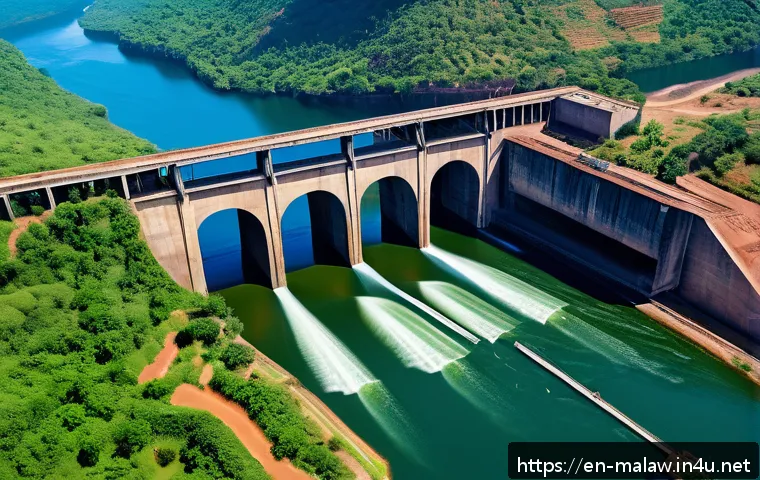
As Malawi strives to power its growth and improve lives, the country’s reliance on hydropower has come under intense scrutiny amid ongoing electricity shortages.
Recent droughts and aging infrastructure have exposed vulnerabilities that hinder consistent energy supply, sparking urgent debates on sustainable solutions.
Understanding how these hydropower challenges shape Malawi’s electricity crisis is key to unlocking its future potential. If you’ve ever wondered why power outages persist despite abundant rivers, this deep dive will shed light on the complex realities behind the headlines.
Stay with me as we explore the hurdles and hopeful paths that could transform Malawi’s energy landscape for good.
Unpacking the Roots of Malawi’s Power Struggles
Why Hydropower Feels Like a Double-Edged Sword
Hydropower has long been Malawi’s backbone for electricity, given the country’s abundant rivers and favorable topography. But leaning heavily on this single energy source has revealed serious cracks, especially when the rainy seasons fail to deliver.
The paradox is striking: despite having some of Africa’s most promising water resources, Malawi experiences frequent power outages. This is largely due to the unpredictable nature of rainfall patterns intensified by climate change.
When drought strikes, the water levels dip below what’s needed to keep turbines spinning, leading to sharp drops in power generation. So, while hydropower is clean and renewable, its reliability suffers when nature doesn’t cooperate.
The aging dams and power plants, many built decades ago, compound the problem, requiring urgent maintenance and upgrades that the country struggles to fund.
The Weight of Aging Infrastructure on Energy Reliability
Walking through some of Malawi’s hydropower facilities, you get a sense of how much wear and tear they’ve endured. Equipment that was state-of-the-art thirty years ago now creaks under the pressure of constant use.
Breakdowns and inefficiencies mean that even when water flow is adequate, energy output isn’t maximized. I’ve talked to engineers who explained that maintenance is often reactive rather than proactive, largely due to limited budgets and logistical challenges.
This reactive approach means that small faults can snowball into major outages, frustrating both providers and consumers. Upgrading infrastructure isn’t just about replacing old machines; it’s about integrating modern technologies that can better adapt to fluctuating water levels and improve overall grid stability.
The Role of Seasonal Variability in Power Supply Fluctuations
One of the trickiest aspects of Malawi’s energy puzzle is its seasonality. The rainy season brings a surge in water levels and, consequently, electricity production, but this is often followed by a dry season slump where power shortages become routine.
For residents and businesses alike, this cyclical pattern makes planning difficult. Imagine running a factory or even a small shop when you can’t predict whether the power will be there tomorrow.
This uncertainty stunts economic growth and discourages investment. It’s like trying to build a house on shifting sand—without reliable energy, other development efforts remain fragile.
As climate patterns become more erratic, this seasonal dependence feels like a ticking time bomb for Malawi’s energy future.
Exploring Alternative Energy Options Beyond the Rivers
Solar Power: A Bright Spot on the Horizon
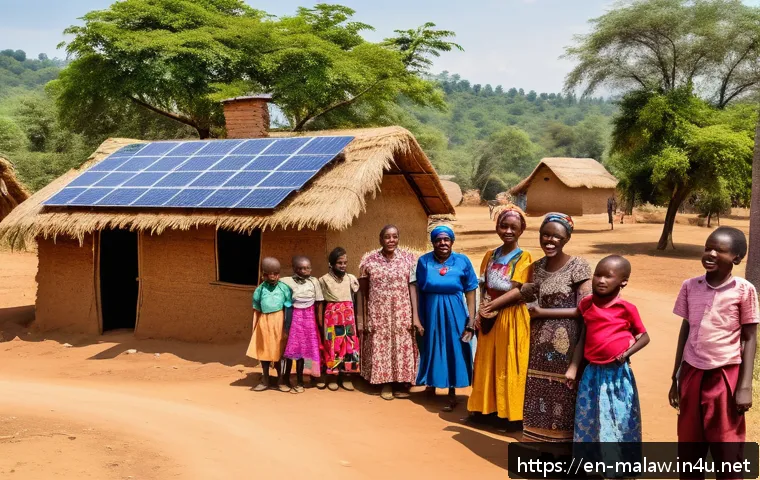
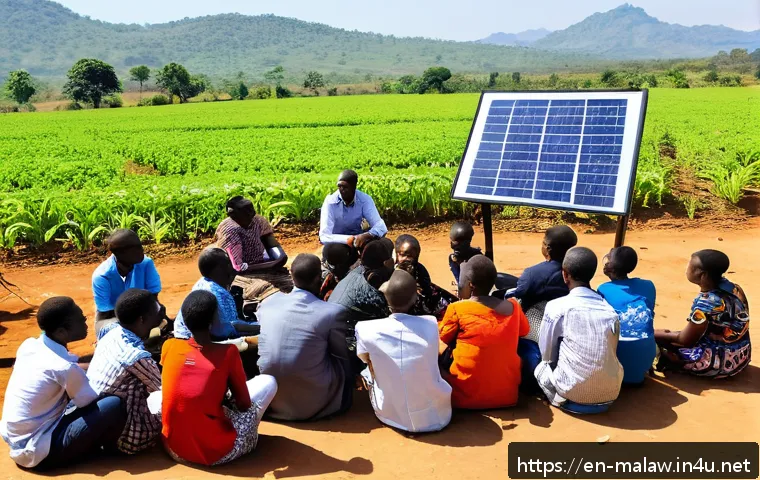
Malawi’s position near the equator gifts it with high solar potential year-round. Yet, solar energy remains underutilized compared to its promise. From my conversations with local entrepreneurs, there’s a growing buzz around solar home systems and mini-grids, especially in rural areas where grid access is limited or unreliable.
The upfront cost can be a hurdle, but innovative financing models and international aid are starting to make solar more accessible. Solar has the advantage of being scalable—from small panels powering a single home to larger arrays feeding local communities.
Its intermittency is also easier to manage with battery storage solutions, which are becoming more affordable. Unlike hydropower, solar doesn’t rely on rainfall, which makes it a solid complement to Malawi’s energy mix.
Biomass and Other Renewable Alternatives
Biomass energy, derived from agricultural residues and organic waste, is another avenue Malawi is exploring. Given the country’s largely agrarian economy, this resource is abundant.
Biomass offers a way to generate power while managing waste, reducing environmental impact, and providing rural employment. However, its development is still in nascent stages due to technical and logistical challenges.
For instance, collection and transportation of biomass materials require infrastructure that’s not yet fully developed. Other renewables, like wind energy, hold promise but face similar hurdles—lack of investment, technical expertise, and supportive policies.
Still, diversifying the energy portfolio is essential to reducing the overdependence on hydropower.
Challenges of Integrating New Energy Sources
Switching or adding new energy sources isn’t as simple as flipping a switch. Malawi’s grid infrastructure, designed primarily around hydropower, needs significant upgrades to handle the variability and distributed nature of solar and biomass power.
Integration requires smart grid technologies, better forecasting tools, and regulatory frameworks that encourage investment. From what I’ve gathered, there’s a learning curve for utilities and policymakers alike.
They must balance short-term needs with long-term sustainability goals, all while managing limited resources. The good news is that international partnerships and technology transfer programs are starting to bridge these gaps, but it’s a marathon, not a sprint.
Financial and Policy Hurdles Impacting Energy Expansion
The Funding Gap in Energy Infrastructure
Financing remains a massive stumbling block. Building and maintaining energy infrastructure is capital intensive, and Malawi’s limited fiscal space restricts how much it can invest domestically.
International aid and loans play a critical role, but they come with conditions and repayment obligations that can strain the economy. Private sector involvement, especially through public-private partnerships, is growing but still limited by perceived risks.
I’ve noticed that many investors shy away due to concerns about regulatory stability and currency fluctuations. Addressing these financial barriers will require creative solutions, including blended finance models that combine public funds, private investment, and donor support.
Regulatory Environment and Policy Direction
The government’s energy policies set the tone for the sector’s development, but inconsistencies and delays in implementation have slowed progress. Clear, stable regulations that incentivize renewable energy adoption and grid expansion are crucial.
For example, feed-in tariffs and tax incentives can encourage private companies to invest in solar and biomass projects. However, policy uncertainty often leaves investors hesitant.
Recently, there has been more dialogue between government bodies, utilities, and stakeholders, which is promising. Still, translating these discussions into actionable policies and transparent procedures remains an ongoing challenge that affects the pace of change.
Social and Environmental Considerations in Energy Development
Energy projects don’t exist in a vacuum—they impact communities and ecosystems. Hydropower dams, for instance, can disrupt riverine habitats and displace local populations.
Expanding solar or biomass energy also requires land and resources, which can lead to conflicts or environmental degradation if not managed carefully.
From the ground level, I’ve heard community members express concerns about how projects affect their livelihoods and access to natural resources. Meaningful community engagement and environmental assessments are essential to ensuring that energy development is both sustainable and equitable.
Balancing economic growth with social justice and environmental stewardship is a delicate dance Malawi must master.
Mapping the Current Energy Landscape in Malawi
Overview of Installed Capacity and Energy Mix
To grasp the scale of Malawi’s energy challenges, it helps to look at the numbers. The country’s total installed capacity remains relatively low, with hydropower constituting the lion’s share.
Despite recent efforts to add solar and biomass, these still make up a small fraction of the overall energy mix. This imbalance highlights the vulnerability of the system to hydrological shocks.
Demand, meanwhile, continues to grow, fueled by population growth and urbanization, widening the supply-demand gap. The table below summarizes the current energy generation sources and their approximate shares.
| Energy Source | Installed Capacity (MW) | Percentage of Total Capacity | Reliability | Key Challenges |
|---|---|---|---|---|
| Hydropower | 350 | 85% | Variable (season-dependent) | Aging infrastructure, drought sensitivity |
| Solar | 30 | 7% | Intermittent (daylight-dependent) | High upfront costs, storage needs |
| Biomass | 15 | 4% | Moderate | Supply chain logistics, technical capacity |
| Thermal (Diesel/Gas) | 15 | 4% | Reliable but costly | Fuel import costs, environmental impact |
Demand Growth and Its Implications
Malawi’s population is growing at over 2% annually, and with urban centers expanding, electricity demand is rising sharply. Unfortunately, supply hasn’t kept pace, creating chronic shortages and frequent load shedding.
Households and businesses feel the pinch, with many resorting to costly or polluting alternatives like generators or charcoal stoves. This energy deficit slows industrial growth and limits access to essential services like healthcare and education.
The government’s electrification targets are ambitious but achieving them will require massive investment and smart planning to close the gap between supply and demand.
The Role of Regional Cooperation in Energy Security
Malawi is part of the Southern African Power Pool (SAPP), which offers opportunities to import and export electricity with neighboring countries. This regional integration can help buffer against local shortages by tapping into more diverse energy sources.
However, cross-border electricity trade depends on reliable interconnections and harmonized regulations, areas where improvements are needed. From what I’ve gathered, enhancing regional cooperation could be a game-changer, providing Malawi with much-needed flexibility and resilience in its power system.
It’s an underutilized strategy that deserves more attention and investment going forward.
Technological Innovations Paving the Way Forward
Smart Grid Technologies and Their Potential
Introducing smart grid solutions could revolutionize Malawi’s electricity sector. These technologies enable better monitoring, control, and management of electricity flows, helping utilities anticipate outages and optimize energy use.
For a system vulnerable to fluctuations in hydropower output, smart grids can integrate diverse energy sources and balance loads more efficiently. I’ve seen pilot projects in other African countries where smart meters and automated controls have reduced downtime and improved customer satisfaction.
Scaling these innovations in Malawi could enhance grid stability, reduce losses, and support the integration of renewables.
Energy Storage as a Game-Changer
One of the biggest constraints of renewable energy is its intermittency, but advances in energy storage are transforming this reality. Battery storage systems can store excess solar or hydropower-generated electricity during peak times and release it when demand rises or supply dips.
While costs remain a barrier, prices have dropped dramatically in recent years, making storage more feasible. Deploying batteries strategically across Malawi’s grid could smooth out supply fluctuations and reduce reliance on costly diesel generators.
This approach would not only improve reliability but also cut emissions, aligning with global sustainability goals.
Digital Solutions for Demand Management
Beyond supply-side technologies, digital tools can empower consumers to manage their energy use more effectively. Mobile apps and smart appliances can provide real-time data and enable demand response programs, where users reduce consumption during peak hours in exchange for incentives.
From my experience, people respond well when they understand the benefits and have easy access to such tools. Demand-side management can flatten peak loads, reduce stress on the grid, and ultimately improve overall system efficiency.
For Malawi, where every kilowatt counts, embracing these digital solutions could be a vital piece of the puzzle.
Community Engagement and Local Empowerment in Energy Projects
Why Community Buy-In Matters
Energy projects that ignore local voices often stumble, causing delays or outright failures. In Malawi, communities living near hydropower dams or proposed solar farms have valid concerns about land use, environmental impact, and equitable benefit sharing.
When these concerns go unaddressed, resentment grows, and projects face resistance. From my conversations with local leaders, successful projects are those that engage communities early and continuously, providing transparent information and opportunities for participation.
This builds trust and ownership, which are crucial for long-term sustainability.
Empowering Local Entrepreneurs in Renewable Energy
Small-scale renewable energy businesses are sprouting across Malawi, from solar kiosk operators to biomass fuel suppliers. These entrepreneurs not only expand energy access but also create jobs and stimulate local economies.
Supporting them with training, financing, and market access can accelerate energy adoption and foster innovation. I’ve met several inspiring individuals who, despite limited resources, are making tangible impacts in their communities by bridging energy gaps with creative solutions.
Encouraging this grassroots energy movement is a smart strategy for Malawi’s energy future.
Education and Awareness for Sustainable Energy Use
Finally, raising awareness about energy efficiency and sustainable practices is vital. Many Malawians still rely on inefficient appliances or habits that waste power, exacerbating shortages.
Educational campaigns and community workshops can promote energy-saving behaviors that collectively ease demand pressures. For example, simple actions like switching off lights when not needed or using energy-efficient bulbs can make a difference.
I’ve witnessed how knowledge empowers people to take control of their energy consumption, leading to cost savings and less strain on the grid. This bottom-up approach complements technical and policy solutions in building a resilient energy system.
Conclusion
Malawi’s energy challenges are deeply intertwined with its reliance on hydropower and aging infrastructure, but opportunities abound through diversifying into solar, biomass, and smart technologies. Addressing financial, regulatory, and social hurdles will be crucial to unlocking a more stable and sustainable energy future. Community involvement and innovation at the grassroots level also play vital roles in this transformation. With coordinated effort and strategic investments, Malawi can build a resilient energy system that supports its growth and development.
Useful Information to Keep in Mind
1. Hydropower remains Malawi’s main energy source but is highly vulnerable to seasonal changes and climate variability.
2. Investing in solar and biomass energy can reduce dependence on hydropower and improve energy security.
3. Upgrading infrastructure and adopting smart grid technologies are essential to manage fluctuating supply and demand.
4. Financial constraints and unclear policies currently limit the pace of energy sector expansion and private investment.
5. Engaging local communities and supporting small-scale renewable entrepreneurs strengthen sustainable energy adoption and social acceptance.
Key Takeaways
Malawi’s energy sector faces a complex mix of technical, financial, and social challenges that stem largely from overreliance on hydropower and insufficient infrastructure modernization. Expanding renewable energy sources like solar and biomass, alongside implementing smart technologies and regional cooperation, is critical to improving reliability and meeting growing demand. Overcoming policy uncertainties and fostering community participation will enhance long-term sustainability and economic development. Strategic, inclusive approaches that blend innovation with local empowerment offer the best path forward for Malawi’s energy future.
Frequently Asked Questions (FAQ) 📖
Q: Why does Malawi experience frequent power outages despite having abundant rivers?
A: Malawi relies heavily on hydropower generated from its rivers, but several factors disrupt this supply. Recent droughts have significantly reduced water levels, limiting electricity generation capacity.
Additionally, much of the hydropower infrastructure is aging and poorly maintained, leading to frequent breakdowns. These combined issues mean that even with abundant rivers, the energy output is inconsistent, causing regular power outages across the country.
Q: What are the main challenges Malawi faces in maintaining a stable hydropower supply?
A: The biggest challenges include climate variability, such as prolonged droughts, which reduce water availability for hydropower plants. Aging equipment and insufficient investment in maintenance exacerbate the problem, resulting in decreased efficiency and frequent failures.
Furthermore, Malawi’s grid infrastructure struggles to handle fluctuations in power supply, making it harder to deliver consistent electricity to consumers.
Q: What potential solutions could help Malawi overcome its hydropower-related electricity crisis?
A: Diversifying the energy mix is critical—incorporating solar, wind, and other renewable sources can reduce dependence on hydropower alone. Upgrading and properly maintaining existing hydropower facilities will also improve reliability.
On top of that, investing in modern grid technology to better manage supply and demand fluctuations will enhance stability. Community-based microgrids and energy storage systems could further support rural areas where outages are most severe.
From my experience researching this, a multi-pronged approach combining these strategies offers the best hope for Malawi’s energy future.