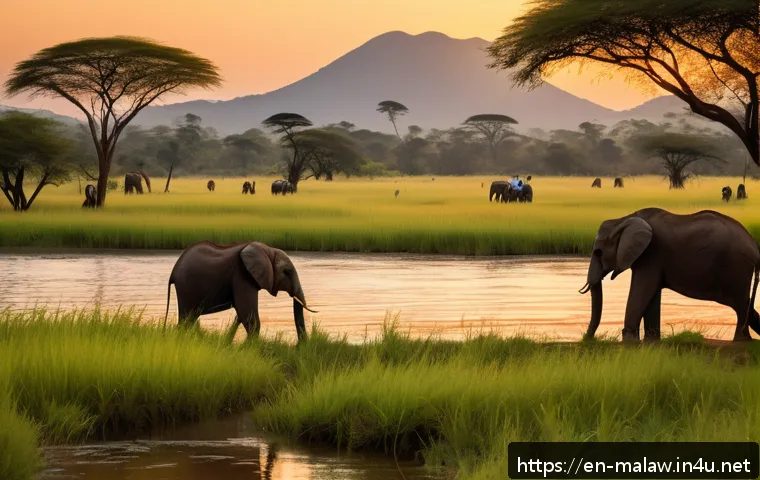
Exploring Malawi’s national parks offers an incredible opportunity to witness some of Africa’s most diverse wildlife and breathtaking landscapes. From the vast savannahs teeming with elephants to the serene shores of Lake Malawi, these protected areas provide unforgettable experiences for nature lovers and adventure seekers alike.
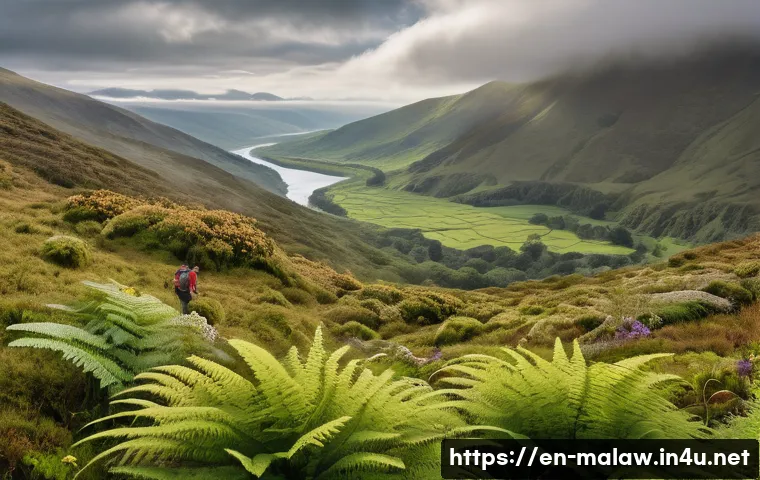
Whether you’re into birdwatching, game drives, or cultural encounters with local communities, Malawi’s parks have something unique to offer. The combination of untouched wilderness and warm hospitality makes every visit truly special.
Let’s dive deeper and uncover everything you need to know about planning the perfect Malawi national park tour!
Discovering Wildlife Hotspots in Malawi’s National Parks
Exploring Majete Wildlife Reserve’s Rich Biodiversity
Majete Wildlife Reserve is a shining example of conservation success in Malawi. Having visited personally, I was amazed at how this once-depleted reserve has transformed into a thriving habitat for the Big Five—elephants, lions, leopards, rhinos, and buffalo.
The landscape here is a mixture of dense woodlands and open savannah, making it perfect for spotting a variety of species. On my game drive, I encountered herds of elephants gracefully moving through the bushes and a pride of lions lounging in the shade, which was a breathtaking moment.
The park’s well-maintained roads and knowledgeable guides make it an excellent choice for both beginners and seasoned wildlife enthusiasts. If you’re keen on photography, Majete’s abundant wildlife against stunning backdrops will give you countless opportunities to capture nature’s best moments.
Birdwatching Paradise at Liwonde National Park
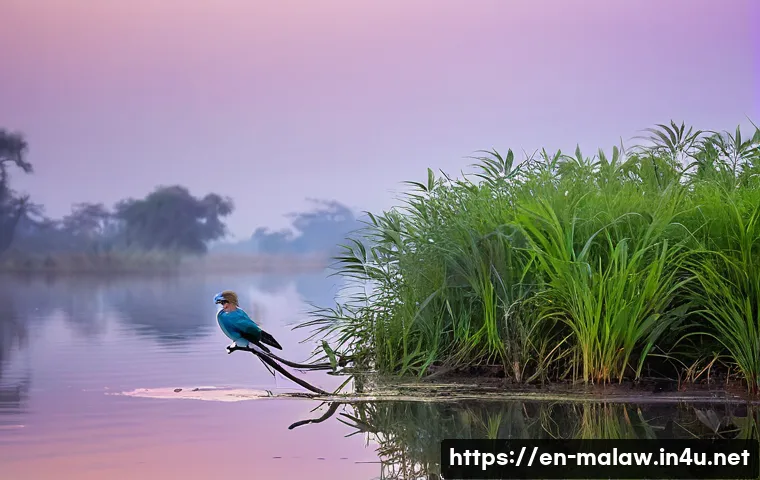
For bird lovers, Liwonde National Park is an absolute gem. I spent several mornings here with my binoculars, and each time, I discovered new and colorful species along the Shire River.
The park is home to over 400 bird species, including the elusive African fish eagle and the vibrant lilac-breasted roller. What’s unique about Liwonde is the combination of water-based and land-based birdwatching, which means you can enjoy boat safaris that bring you closer to waterbirds and hippos, or go on foot safaris to explore the woodland birds.
The peaceful riverbanks are also perfect for those who want to soak in serene nature sounds while spotting wildlife.
Shire Highlands: A Unique Ecosystem to Explore
Beyond the typical savannah, the Shire Highlands offer a different ecological experience. The cooler, misty climate supports montane forests and grasslands that are home to rare species like the black-eared ground thrush and various butterflies.
On a guided walk here, I noticed how the lush undergrowth supports a diverse insect population and smaller mammals, which you might miss on a vehicle safari.
The Highlands also offer panoramic views of the surrounding valleys and the Shire River, making it a fantastic spot for nature lovers who want to combine wildlife viewing with scenic landscapes.
Practical Tips for Planning Your Malawi Safari
Best Time to Visit for Wildlife Viewing
Choosing the right season can make all the difference in your Malawi safari experience. From my trips, I’ve found that the dry season, which runs from May to October, is ideal because animals gather around water sources, making them easier to spot.
The vegetation is also less dense, allowing for clearer views during game drives. However, if you’re interested in birdwatching, the wet season (November to April) brings migratory species and baby animals, which can be a delightful sight.
Just be mindful that some roads might be less accessible during heavy rains, so plan accordingly with your tour operator.
Accommodation Options Near National Parks
Malawi offers a range of lodges and camps that cater to different budgets and tastes. During my stay at a mid-range lodge near Liwonde, I appreciated the blend of comfort and closeness to nature—waking up to the sounds of birds and hippos was unforgettable.
For those who want a more immersive experience, there are eco-camps that focus on sustainability and community engagement, often located deep inside the parks.
If you prefer luxury, a few high-end lodges provide excellent amenities alongside guided safaris and cultural tours, perfect for travelers wanting to relax in style after a day of adventure.
Getting Around: Transportation Tips
Navigating Malawi’s parks requires some planning. While some reserves are accessible by regular vehicles, many roads inside the parks are rough and best tackled with a 4×4.
When I rented a 4×4 with a local guide, it made a huge difference in comfort and safety. Domestic flights are available to some park-adjacent airstrips, which can save time on long transfers.
Another tip is to arrange transfers through your lodge or tour company since they often have reliable drivers familiar with the terrain. For those on a tighter budget, public minibuses can get you close to park gates, but you’ll need to plan for additional transport once inside.
Engaging with Local Communities and Culture
Opportunities for Meaningful Cultural Encounters
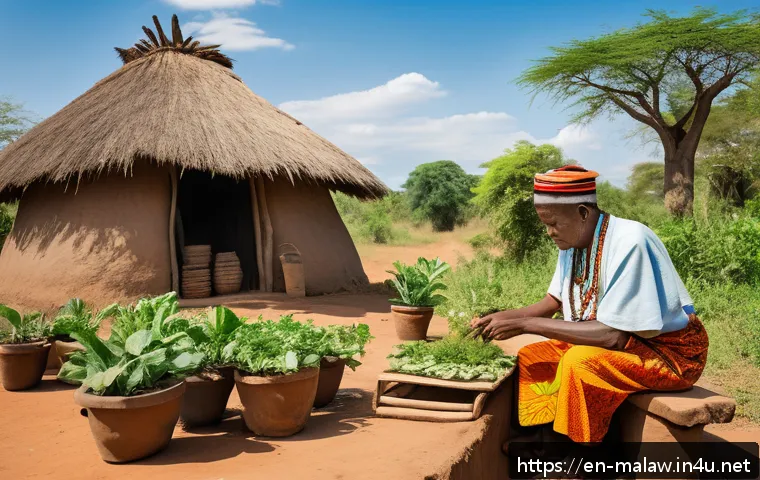
One of the highlights of visiting Malawi’s national parks is the chance to connect with local communities. During a village visit near Majete, I learned about traditional fishing techniques and the role of conservation in local livelihoods.
These experiences are not just educational but also foster a sense of respect and appreciation for the people who live alongside the wildlife. Many lodges offer cultural tours that include craft markets, traditional dances, and storytelling sessions, providing insight into Malawi’s rich heritage.
Engaging respectfully with communities enhances your trip and supports sustainable tourism practices.
Supporting Community-Based Conservation Projects
Malawi has several community-run conservation initiatives that tourists can support through visits and donations. For example, some villages around Liwonde participate in anti-poaching patrols and eco-tourism ventures that directly benefit their economy.
When I contributed to a community project, I felt like I was part of a larger effort to protect wildlife and improve local welfare. Choosing tour operators who prioritize these projects ensures that your money helps sustain both nature and people.
It’s a rewarding way to make your safari more meaningful beyond just sightseeing.
Understanding Park Regulations and Safety Measures
Wildlife Viewing Guidelines to Follow
To ensure both visitor safety and animal welfare, Malawi’s parks have clear rules that every traveler should follow. During my visits, guides emphasized staying inside vehicles unless on designated walking safaris and maintaining a respectful distance from animals.
Flash photography is often discouraged to avoid disturbing wildlife. It’s also important to avoid feeding animals or making loud noises that might disrupt their natural behavior.
Following these guidelines not only protects the animals but also increases your chances of seeing authentic wildlife behaviors in a calm environment.
Health Precautions and Vaccinations
Health safety is a crucial part of any African safari. Before traveling to Malawi, I made sure to update my vaccinations, including yellow fever, and took malaria prophylaxis as advised by my doctor.
Carrying insect repellent and wearing long sleeves during dawn and dusk helped me avoid mosquito bites. Many lodges and camps also provide mosquito nets and have protocols for safe drinking water.
Being prepared medically allows you to focus on enjoying the incredible wildlife without worrying about health issues.
Comparing Malawi’s National Parks at a Glance
| Park Name | Key Attractions | Best Time to Visit | Accommodation Types | Accessibility |
|---|---|---|---|---|
| Majete Wildlife Reserve | Big Five, dense woodlands, game drives | May to October (dry season) | Lodges, eco-camps | 4×4 recommended, guided tours |
| Liwonde National Park | Birdwatching, Shire River boat safaris, hippos | Year-round, wet season for birds | Mid-range lodges, camping | Accessible by road, boat transfers |
| Nyika National Park | Montane grasslands, rare birds, hiking | Dry season preferred | Luxury lodges, camping | 4×4 required, flights available |
| Kasungu National Park | Elephants, savannah landscape, less crowded | June to October | Basic lodges, camping | Road access, 4×4 advised |
Maximizing Your Safari Experience with Expert Guides
Why Local Guides Make a Difference
From my experience, having a knowledgeable local guide is the secret ingredient to a memorable Malawi safari. Guides bring the parks to life by sharing stories about animal behavior, conservation efforts, and cultural traditions.
Their sharp eyes catch details that most tourists would miss, like subtle tracks or rare bird calls. On one occasion, my guide spotted a leopard resting in the branches, a sighting I would have completely overlooked.
They also ensure safety by reading the environment and advising on the best spots to visit at different times of the day.
Customizing Your Safari with Guided Options
Malawi offers a variety of guided safari options to suit different interests and activity levels. Walking safaris provide an intimate encounter with nature, allowing you to observe smaller creatures and learn about plants.
Boat safaris on Lake Malawi or the Shire River offer a different perspective and opportunities to see aquatic wildlife. For thrill-seekers, night drives reveal nocturnal animals rarely seen during the day.
Having a guide tailor your itinerary means you can focus on what fascinates you most, whether it’s photography, birdwatching, or cultural immersion.
Essential Gear and Packing Tips for Malawi’s Wilderness
Clothing and Equipment Recommendations
Packing smart is key to enjoying your time in Malawi’s parks comfortably. I always pack lightweight, breathable clothing in neutral colors to blend into the environment and avoid attracting insects.
A wide-brimmed hat and sunglasses help protect against the strong African sun. Don’t forget sturdy hiking boots for walking safaris and a good pair of binoculars for spotting distant wildlife.
A camera with a zoom lens is a must-have if you want quality photos without disturbing the animals. Lastly, a reusable water bottle and insect repellent are essentials to keep you hydrated and bite-free during long days outdoors.
Technology and Connectivity Considerations
While Malawi’s parks offer a chance to disconnect, it’s wise to prepare for limited connectivity. Mobile signals are often weak or nonexistent inside reserves, so download maps and offline guides beforehand.
I found that bringing a power bank was crucial for keeping my devices charged during multi-day safaris. Some lodges provide Wi-Fi, but speeds can be slow.
Embracing the digital detox allows you to fully immerse yourself in nature’s rhythm, but having backup plans for communication is reassuring, especially for solo travelers or those with tight schedules.
Conclusion
Exploring Malawi’s national parks offers an unforgettable adventure filled with diverse wildlife, breathtaking landscapes, and rich cultural experiences. Whether you’re tracking the Big Five in Majete or birdwatching along the Shire River, each destination has its unique charm. With the right planning and a knowledgeable guide, your safari can be both comfortable and deeply rewarding. Embrace the natural beauty and the warm hospitality of Malawi for a truly memorable journey.
Useful Information to Keep in Mind
1. The dry season from May to October is best for wildlife viewing, as animals gather around water sources and vegetation is less dense for clearer sightings.
2. Birdwatchers should consider visiting during the wet season to catch migratory species and observe baby animals.
3. Choosing accommodations close to the parks enhances convenience and allows more time to enjoy the natural surroundings.
4. Renting a 4×4 vehicle with a local guide greatly improves access and safety within the parks’ rugged terrain.
5. Preparing health precautions like vaccinations and malaria prevention is essential for a worry-free safari experience.
Key Takeaways for a Successful Malawi Safari
Planning your Malawi safari with attention to seasonality, transportation, and accommodation options will maximize your enjoyment. Engaging local guides enriches the experience by providing expert knowledge and cultural insights. Respecting park regulations and health guidelines ensures safety for both visitors and wildlife. Supporting community-based conservation helps sustain the environment and local livelihoods. Finally, packing appropriate gear and preparing for limited connectivity allows you to immerse fully in the stunning wilderness of Malawi.
Frequently Asked Questions (FAQ) 📖
Q: What is the best time of year to visit Malawi’s national parks for wildlife viewing?
A: The ideal time to visit Malawi’s national parks is during the dry season, which runs from May to October. During these months, animals tend to gather around water sources, making wildlife spotting much easier.
The vegetation is less dense, and the weather is generally pleasant with cooler temperatures, which enhances the overall safari experience. I personally found that visiting in early June allowed me to see large herds of elephants and a variety of bird species without the crowds.
Q: Are there guided tours available, or can I explore Malawi’s national parks independently?
A: While some parks offer self-drive options, I highly recommend booking guided tours for a richer and safer experience. Local guides possess extensive knowledge about animal behavior, tracking, and the best spots for viewing.
On my last trip, the guide’s insights led me to a pride of lions resting under a tree, a sight I would have missed on my own. Plus, guided tours often include cultural visits to nearby communities, which adds a meaningful dimension to your adventure.
Q: What kind of accommodations can I expect near Malawi’s national parks?
A: Accommodation ranges from rustic campsites to luxury lodges, catering to different preferences and budgets. For instance, near Liwonde National Park, I stayed at a charming lodge that combined comfort with stunning views of the Shire River.
Many lodges offer all-inclusive packages with meals, game drives, and boat safaris, which made planning my trip hassle-free. If you prefer something more authentic, there are eco-friendly campsites where you can sleep under the stars and truly immerse yourself in nature.